
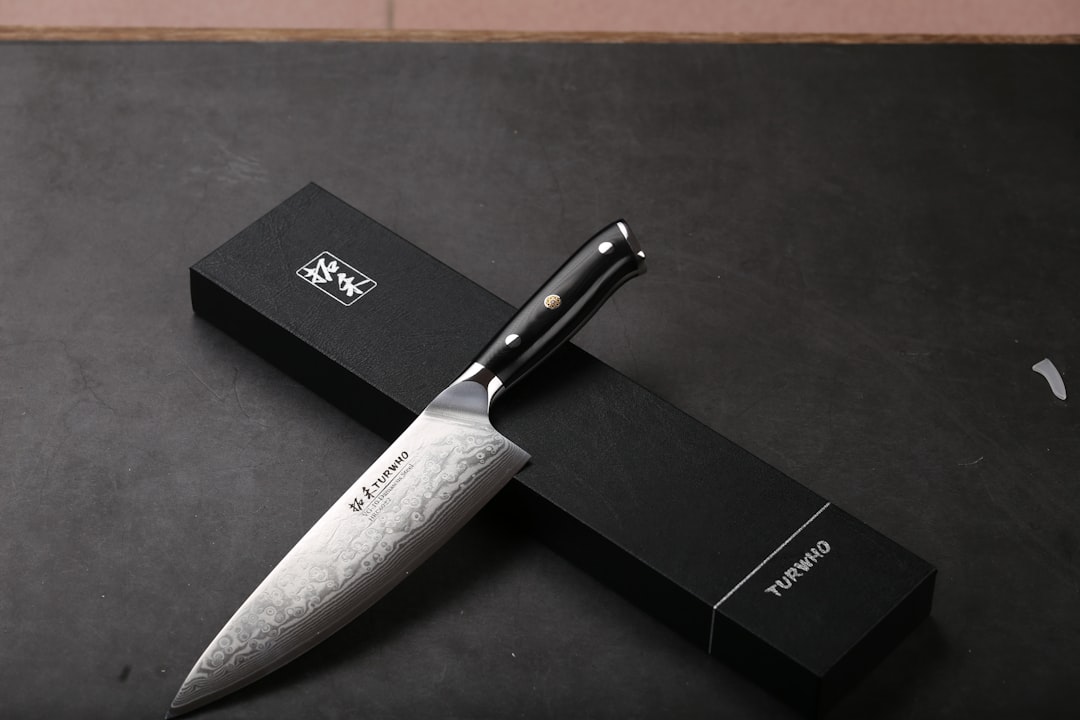
How to Select the Perfect Knives for All Your Cooking Needs
Choosing the right knives is essential for any kitchen enthusiast. The right knife can enhance your cooking experience, making meal preparation more efficient and enjoyable. At culinaryhavenmart.com, we understand the importance of having quality kitchen tools, especially knives that suit your cooking style and needs.
Understanding Different Types of Knives
Knives come in various shapes and sizes, each designed for specific tasks. A chef’s knife is a versatile tool that can handle most cutting tasks, from chopping vegetables to slicing meat. Paring knives are smaller and perfect for intricate tasks like peeling fruits or deveining shrimp, while serrated knives excel at cutting through bread and tomatoes without squishing them.
Understanding the purpose of each knife will help you build a well-rounded collection. For instance, if you often prepare large cuts of meat, a boning knife will be invaluable. On the other hand, if you enjoy baking, a good bread knife is essential. Knowing what you need will guide your purchasing decisions.
Material Matters: Choosing the Right Blade
The material of the knife blade significantly affects its performance and longevity. Stainless steel is popular due to its resistance to rust and ease of maintenance. High-carbon stainless steel offers a sharper edge and better durability, making it a favorite among professional chefs.
Alternatively, ceramic knives are lightweight and maintain their sharpness longer than metal blades. However, they are more brittle and can chip easily. When selecting knives, consider how often you cook and the types of food you prepare to choose the best material for your needs.
Handle Comfort and Design
The handle of a knife is just as important as the blade. A comfortable grip can make a significant difference, especially during long cooking sessions. Look for handles that fit well in your hand and provide a secure grip, whether they are made of wood, plastic, or metal.
Ergonomic designs can reduce strain on your hands and wrists, making your cooking experience more enjoyable. Additionally, consider the weight of the knife; a heavier knife can provide more cutting power, while a lighter knife may offer better control. Test different knives to find the perfect balance for your cooking style.
Maintenance and Care for Longevity
Cleaning your knives properly is also essential. Hand washing with mild soap and drying immediately will prevent rust and damage. Avoid putting knives in the dishwasher, as the heat and movement can dull the blades and damage the handles. With proper care, your knives can last a lifetime.
Step-by-step plan:
Step 1: Assess your cooking style and needs to determine which knives are essential for you. Step 2: Research different knife materials and choose the one that best suits your cooking habits. Step 3: Test various knife handles for comfort and grip before making a purchase. Step 4: Establish a maintenance routine to ensure your knives remain sharp and in good condition.